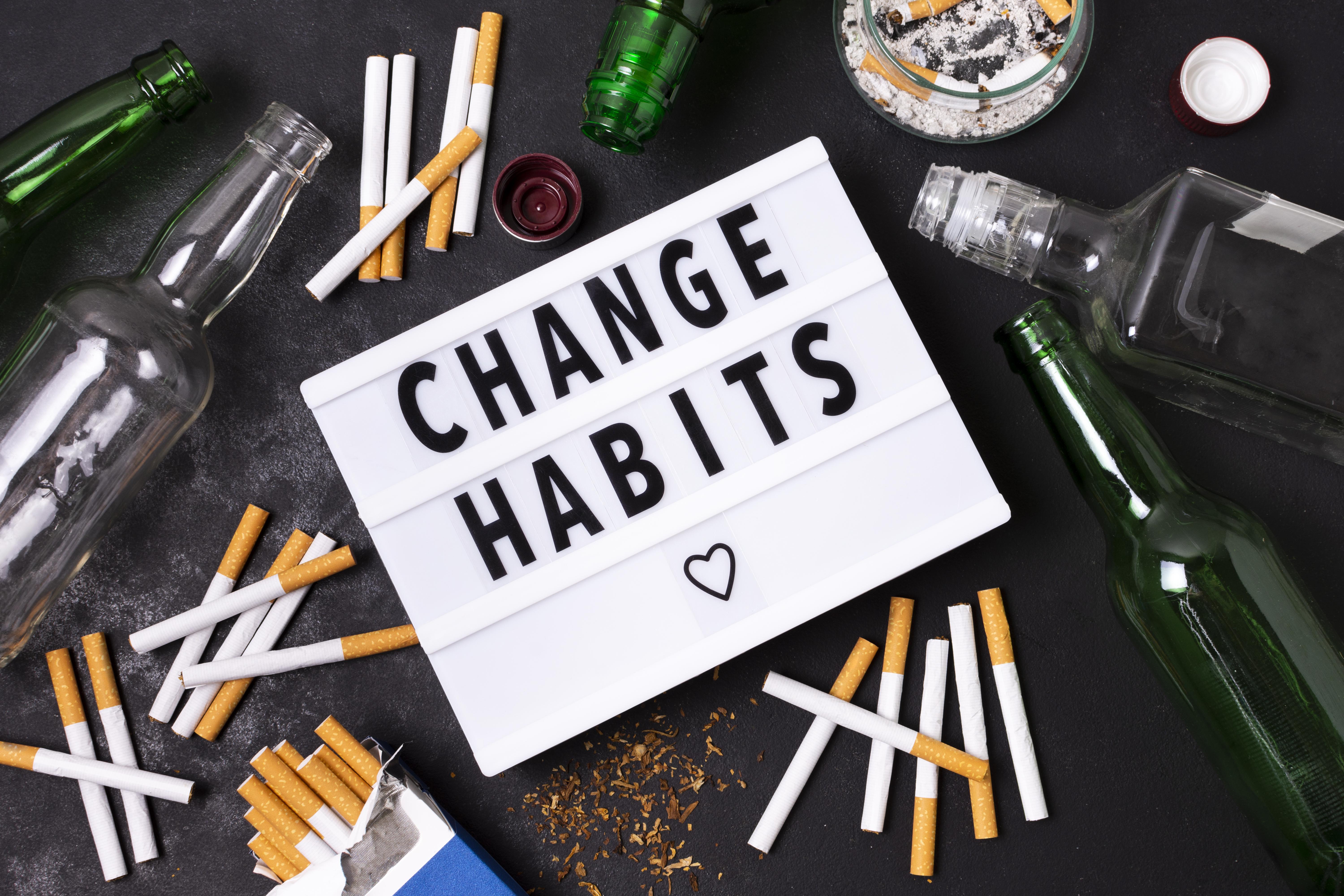
Alcohol, in moderation, might offer a temporary sense of relaxation or euphoria. However, when alcohol consumption escalates into addiction, it triggers profound and lasting alterations in the brain’s delicate chemical balance. Understanding these changes is a crucial step in comprehending the complexities of alcohol use disorder (AUD) and the importance of recovery.
Alcohol addiction manipulates the brain’s chemical makeup, impacting mood, behavior, and overall cognitive function.
The Brain’s Chemical Messengers: Neurotransmitters and Alcohol
Our brains rely on chemical messengers called neurotransmitters to facilitate communication between nerve cells. These neurotransmitters play vital roles in regulating everything from our mood and emotions to our thoughts and physical movements. Alcohol significantly interferes with the function of several key neurotransmitters:
- GABA (Gamma-Aminobutyric Acid): The Brain’s Calming Agent. Alcohol enhances the effects of GABA, an inhibitory neurotransmitter that slows down brain activity. This is why initial alcohol consumption can lead to feelings of relaxation and reduced anxiety. However, with chronic alcohol use, the brain adapts to this increased GABA activity by reducing its own natural GABA production and the number of GABA receptors. This leads to tolerance, where more alcohol is needed to achieve the same calming effects, and contributes to withdrawal symptoms like anxiety and agitation when alcohol is absent.
- Glutamate: The Brain’s Accelerator. In contrast to GABA, glutamate is an excitatory neurotransmitter that stimulates brain activity and is crucial for learning and memory. Alcohol inhibits the action of glutamate. While this contributes to the initial feelings of sedation and impaired coordination, long-term alcohol use can lead to the brain upregulating glutamate receptors in an attempt to counteract the chronic suppression. This over-excitation during alcohol withdrawal can contribute to severe symptoms like seizures.
- Dopamine: The Pleasure and Reward Chemical. Alcohol triggers the release of dopamine in the brain’s reward system, creating feelings of pleasure and reinforcement. This plays a significant role in the development of addiction, as the brain learns to associate alcohol consumption with positive feelings. With prolonged use, this reward system can become hypersensitized to alcohol and less responsive to natural rewards, further driving compulsive alcohol-seeking behavior.
Long-Term Consequences: Rewiring for Dependence
The persistent disruption of these neurotransmitter systems by chronic alcohol use leads to significant and sometimes lasting changes in brain chemistry and structure:
- Reduced Neurotransmitter Levels: Over time, the brain can become depleted in its natural production of neurotransmitters like GABA and serotonin (which regulates mood), contributing to an increased risk of anxiety, depression, and other mental health issues in individuals with AUD.
- Brain Shrinkage (Cortical Thinning): Long-term, heavy alcohol use can result in a thinning of the brain’s cortex, the outer layer responsible for crucial functions like decision-making, emotion regulation, and self-control. This damage can impact critical thinking and social interactions.
- Impaired Nutrient Absorption: Alcohol abuse can hinder the body’s ability to absorb essential nutrients like thiamine and magnesium, which are vital for proper brain function. This can lead to serious neurological complications, such as Wernicke-Korsakoff syndrome, characterized by confusion, memory problems, and vision issues.
The Path to Recovery: Healing the Brain
The good news is that the brain has a remarkable capacity for healing. While some long-term damage may be irreversible, significant recovery in brain structure and function can occur with sustained abstinence from alcohol. Studies have shown that individuals in recovery experience an increase in cortical thickness in many brain regions, particularly in the early months of sobriety.
Seeking Help is the First Step
Understanding how alcohol addiction chemically alters the brain underscores the importance of seeking professional help for AUD. Addiction is not simply a matter of willpower but a complex condition that involves significant changes in brain function. If you or someone you know is struggling with alcohol addiction, remember that recovery is possible. Reach out to healthcare professionals, support groups, or addiction treatment centers to begin the journey toward healing and a healthier future.
By: Michael Sean McCall
 The Recovery Hub
Leave a comment